

 Tolulope Michael
Business Process Optimization: How to Cut Costs and Scale Faster in 2026
Business process optimization is the practice of analyzing and improving workflows to make a business faster, more efficient, and more profitable. It focuses on removing waste, reducing errors, and using tools or automation to improve how work gets done across an organization.
In simple terms, business process optimization helps companies do more with less while maintaining quality and consistency. From sales pipelines to compliance tracking, every process can be refined to deliver better results.
In this guide, you will learn what business process optimization means, why it matters, how to apply it step by step, and how it connects to areas like IT optimization, operations optimization, and even cybersecurity workflows.

What Is Business Process Optimization?
Business process optimization (BPO) is a structured approach to improving how work flows within an organization. It focuses on identifying inefficient steps, removing waste, and redesigning processes so tasks move faster, cost less, and produce better results.
At its core, business process optimization ensures that every activity in a workflow adds value. Teams analyze how work currently happens, find gaps or delays, and then improve the process using better methods, tools, or automation.
It’s important to separate a few related terms:
- Business optimization looks at improving overall performance across the company.
- Business process optimisation (same concept, different spelling) focuses specifically on workflows.
- Operational optimization and operations optimization deal with improving day-to-day activities and systems that keep the business running.
Business process optimization does not always mean replacing everything. In many cases, it improves existing workflows by making small, high-impact changes that lead to better efficiency and consistency.
In practice, companies use business process optimization to improve areas like customer service, finance operations, IT systems, and compliance workflows. The goal is simple: remove friction and make every process work better.
RELATED ARTICLE: CAPM Certification: Cost, Requirements, Salary & How to Start in 2026
Why Business Process Optimization Matters in Modern Organizations
Business process optimization helps organizations stay efficient, competitive, and scalable. As businesses grow, workflows often become slow, complex, and harder to manage. Optimization fixes this by simplifying processes and improving how teams operate.
The first impact shows in speed and efficiency. When you remove unnecessary steps, teams complete tasks faster and reduce delays. This is a core part of operational optimization, where every action in a workflow serves a clear purpose.
The second impact is cost reduction. Inefficient processes waste time, resources, and effort. Business process optimization reduces manual work, limits errors, and cuts operational costs without lowering output quality.
It also improves decision-making. Optimized processes produce cleaner and more reliable data. Teams can track performance, identify issues early, and make better business decisions based on real insights.
From a technology standpoint, IT optimization plays a key role. When systems integrate properly and workflows run smoothly, businesses avoid duplication, reduce system conflicts, and improve overall performance.
In industries like manufacturing, industrial process optimization ensures production runs efficiently with minimal waste. In service-based businesses, optimization improves response times and customer experience.
In cybersecurity and compliance, optimized workflows help teams manage risk faster. For example, a well-structured compliance process allows organizations to track audits, respond to threats, and maintain regulatory standards without delays.
Business process optimization gives organizations one clear advantage: the ability to adapt quickly while maintaining control over their operations.
Key Benefits of Business Process Optimization
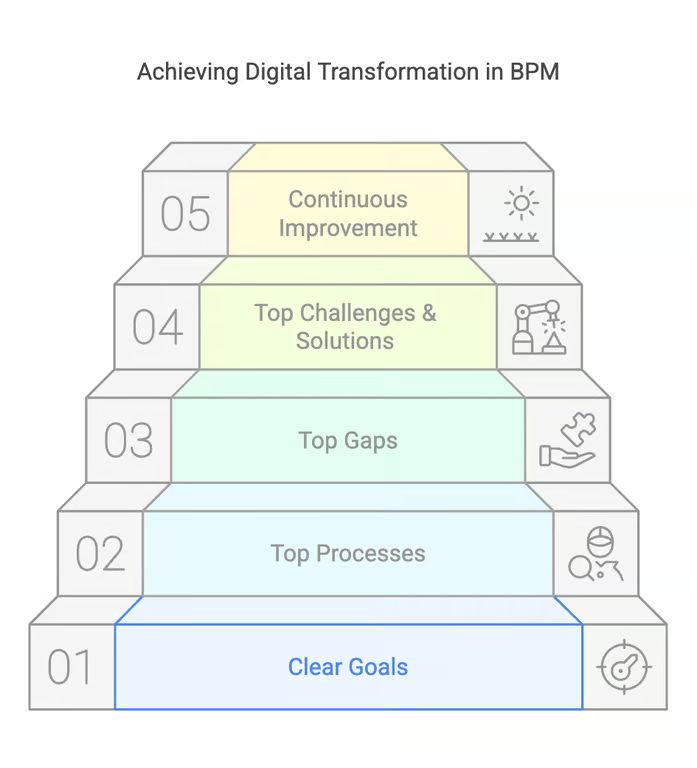
Business process optimization delivers measurable results when applied correctly. It improves how teams work, reduces waste, and creates systems that scale without breaking.
Here are the key benefits:
- Increased efficiency
Business process optimization removes unnecessary steps and simplifies workflows. Teams complete tasks faster because every action has a clear purpose. This is the foundation of improving business processes at scale.
- Cost savings
Optimized workflows reduce manual work, limit errors, and cut down rework. Companies spend less on operations while maintaining or increasing output. This is a direct outcome of strong operational optimization.
- Better decision-making
Clean and structured processes generate reliable data. Leaders can track performance, identify gaps, and make decisions based on real insights instead of guesswork.
- Improved quality and consistency
Standardized workflows ensure tasks are done the same way every time. This reduces variation and improves output quality across teams and departments.
- Faster operations and scalability
When processes run efficiently, businesses can handle more work without adding unnecessary complexity. This is where operations optimization becomes critical for growth.
- Stronger customer experience
Faster response times, fewer errors, and consistent service improve how customers interact with the business. Optimized processes directly impact satisfaction and retention.
Business process optimization does more than fix workflows. It builds a system where every part of the business works together efficiently and consistently.
READ MORE: What Is a Hash Function? A Simple Cybersecurity Guide for Beginners
Business Process Optimization Examples (Real-World Use Cases)
Business process optimization becomes clearer when you see how it works in real situations. These examples show how companies improve workflows across different departments.
- Sales workflow optimization
A sales team uses a CRM system to track leads, but manual follow-ups slow down the process. By automating email sequences and lead assignment, the team responds faster and closes more deals. This is a simple but powerful business process optimization example that improves speed and conversion.
- Customer support optimization
Support teams often deal with large volumes of tickets. Instead of manually assigning each request, companies use automation to route tickets based on issue type and urgency. This reduces response time and improves customer satisfaction.
- Finance process optimization
In many organizations, invoice approvals take too long due to manual reviews. By introducing automation tools that scan, verify, and route invoices, companies reduce delays and minimize human errors.
- Cybersecurity and compliance workflows
In cybersecurity, especially within GRC (Governance, Risk, and Compliance), teams manage audits, risk assessments, and compliance checks. Without optimization, these processes become slow and inconsistent. By structuring workflows and using tracking systems, teams can respond to risks faster and maintain compliance efficiently.
- Manufacturing process optimization
In production environments, delays often occur due to inefficient workflows or poor resource allocation. Process optimization in manufacturing focuses on reducing waste, improving production flow, and increasing output without increasing costs. This is a key part of manufacturing process optimization.
These examples show that business process optimization applies to every industry. The goal remains the same: remove inefficiencies, improve speed, and deliver better results.
Step-by-Step Process to Optimize Business Processes

Business process optimization works best when you follow a clear, structured approach. Each step helps you identify problems, fix them, and improve performance over time.
1. Map current workflows
Start by documenting how work currently happens. List each step, the people involved, and the tools used. This gives you a clear view of the process and highlights where delays or confusion occur.
2. Identify bottlenecks and inefficiencies
Look for steps that slow things down, create errors, or add no real value. Use data where possible. This stage is where you apply method selection criteria for task optimization by deciding which tasks need automation, redesign, or removal.
3. Redesign the process
Simplify the workflow by removing unnecessary steps and improving task flow. Focus on clarity, speed, and consistency. The goal is to make the process easier to execute and easier to scale.
4. Implement automation and tools
Introduce systems that handle repetitive tasks. This can include CRM automation, workflow tools, or other process optimization tools that improve efficiency and reduce manual effort.
5. Monitor and improve continuously
Track performance using key metrics. Measure speed, error rates, and output quality. Use feedback and data to refine the process over time. Improving business processes is not a one-time task; it requires ongoing adjustments.
This step-by-step approach ensures that business process optimization delivers real, measurable results instead of temporary fixes.
SEE ALSO: Mobile Network Virtual Operator in 2026: Meaning, Types, Examples
Business Process Optimization Techniques You Should Know
Different situations require different approaches. Business process optimization techniques give you structured ways to improve workflows based on your goals, industry, and level of complexity.
Here are the most widely used techniques:
Lean methodology
Lean focuses on removing waste from processes. Waste includes anything that does not add value, such as delays, unnecessary steps, or excess resources. Many companies use Lean in manufacturing process optimization to improve production speed and reduce costs.
Six Sigma
Six Sigma is a data-driven method that reduces errors and improves consistency. It uses measurable data to identify problems and fix them. Organizations that need precision and quality control rely on this technique.
Automation
Automation uses software or AI to handle repetitive tasks. It improves speed, reduces human error, and allows teams to focus on higher-value work. This is one of the most effective business process optimization techniques in modern businesses.
Continuous improvement (Kaizen)
This approach focuses on making small, ongoing improvements instead of large changes. Teams regularly review processes and refine them over time to improve performance.
Process reengineering
This is a more advanced technique where organizations redesign processes completely instead of making small adjustments. It works best when existing workflows are outdated or inefficient.
These techniques apply across industries, from industrial process optimization to service-based businesses. The key is choosing the right method based on your workflow, resources, and goals.
Best Business Process Optimization Tools and Software

The right tools make business process optimization faster, easier, and more scalable. Instead of relying on manual effort, companies use software to automate tasks, track performance, and manage workflows efficiently.
Here are the main categories of business process optimization tools:
Business Process Management (BPM) software
BPM tools help you design, model, and automate workflows. They give you full visibility into how processes run and allow you to improve them in real time. This is a core type of process optimization software used by many organizations.
Customer Relationship Management (CRM) systems
CRM platforms help manage leads, customer interactions, and sales workflows. When optimized, they automate follow-ups, track engagement, and improve conversion rates.
Automation tools
Automation tools handle repetitive tasks like email sending, data entry, and task assignments. These tools are key optimization tools that reduce manual work and improve speed.
Analytics and monitoring tools
Analytics tools track how processes perform. They help identify bottlenecks, measure efficiency, and guide decisions. Without data, it becomes difficult to improve workflows effectively.
Integration tools
These tools connect different systems, so they work together smoothly. They eliminate duplication and reduce errors caused by disconnected platforms.
Using the right mix of process optimization tools allows businesses to streamline operations, improve accuracy, and scale without increasing complexity.
MORE: Messaging Security Agent: Protecting Your Business Communications in 2026
The Role of SOPs in Business Process Optimization (Pros and Cons)
Standard Operating Procedures (SOPs) play a key role in business process optimization. They provide clear instructions on how tasks should be done, which helps teams maintain consistency and reduce errors.
When implemented correctly, SOPs support structured workflows and make it easier to scale operations. They are a core part of SOP implementation, business process optimization pros cons discussions because they bring both advantages and limitations.
Pros of SOPs
- Consistency and quality control
SOPs ensure tasks are performed the same way every time. This improves output quality and reduces variation across teams.
- Faster onboarding and training
New employees can follow documented steps instead of learning through trial and error. This reduces training time and improves productivity.
- Better accountability
Clear procedures make it easy to track who is responsible for each step in a process.
- Support for operational optimization
SOPs create structure, which makes it easier to analyze and improve workflows over time.
Cons of SOPs
- Lack of flexibility
Overly rigid SOPs can slow down teams when situations require quick adjustments.
- Maintenance effort
SOPs must be updated regularly. Outdated procedures can create confusion and reduce efficiency.
- Risk of over-dependence
Teams may rely too heavily on SOPs and stop thinking critically about improving processes.
SOPs work best when they guide processes without limiting innovation. In business process optimization, they should serve as a foundation that teams can refine and improve over time.
Business Process Optimization in Cybersecurity and IT
Business process optimization plays a critical role in cybersecurity and IT operations. These environments rely on structured workflows, fast response times, and strict compliance standards. When processes break down, risks increase.
In cybersecurity, especially within Governance, Risk, and Compliance (GRC), teams handle tasks like risk assessments, audits, and policy enforcement. Without optimized workflows, these tasks become slow, inconsistent, and difficult to track. Business process optimization ensures that every step, from identifying risks to resolving them, follows a clear and efficient path.
IT optimization improves how systems, tools, and teams work together. When systems integrate properly, organizations reduce duplication, eliminate delays, and improve overall performance. For example, automated alert systems can route security incidents to the right team instantly, reducing response time.
In compliance, optimized processes help organizations stay audit-ready. Teams can track activities, document actions, and generate reports quickly. This improves accountability and reduces the risk of regulatory issues.
Operations optimization also strengthens cybersecurity. When workflows are streamlined, teams spend less time on manual tasks and more time addressing real threats. This leads to faster detection, quicker response, and better overall security posture.
Business process optimization in cybersecurity is not optional. It directly affects how quickly an organization can detect, respond to, and recover from risks.
READ: Multitenant Database Containers and Their Role in Cybersecurity
Career Opportunities in Business Process Optimization
Business process optimization creates strong career opportunities across industries. Companies need professionals who can analyze workflows, improve efficiency, and implement better systems.
Here are some common roles:
Business Process Analyst
Analyzes workflows, identifies inefficiencies, and recommends improvements. This role focuses on improving business processes using data and structured methods.
Operations Manager
Oversees daily activities and ensures processes run efficiently. This role is closely tied to operations optimization and overall business performance.
Process Improvement Specialist
Works on redesigning workflows and implementing optimization strategies across departments.
Business Process Optimization Consultant
Provides expert guidance to organizations looking to improve efficiency. Many professionals work in business process optimization consulting or business optimization consulting, helping companies reduce costs and scale operations.
GRC Analyst (Cybersecurity Path)
In cybersecurity, professionals apply business process optimization to compliance, risk management, and audit workflows. This is a practical entry point for those interested in tech careers without deep coding skills.
Many organizations also offer process optimization services, creating demand for specialists who can deliver measurable improvements.
These roles fall under the broader category of business process optimization jobs, and they continue to grow as companies focus more on efficiency, automation, and scalability.
Certifications and Courses to Learn Business Process Optimization
You can learn business process optimization through structured training and certifications. These programs teach you how to analyze workflows, apply optimization techniques, and use tools that improve efficiency.
Here are some of the most relevant options:
Six Sigma Certification
Six Sigma focuses on reducing errors and improving quality using data. It is one of the most recognized Business Process Optimization certification paths and is widely used in both service and manufacturing environments.
Lean Certification
Lean teaches you how to remove waste and simplify workflows. It is especially useful for manufacturing process optimization and operational efficiency.
Business Process Management (BPM) Courses
BPM courses focus on designing, modeling, and managing workflows across an organization. These programs help you understand how business processes connect and how to improve them at scale.
Business Process Optimization Course (Online Programs)
Many online platforms offer a Business Process Optimization course that covers process mapping, automation, and performance tracking. These courses are practical and often include real-world case studies.
Cybersecurity and GRC Training
For those interested in tech, GRC training shows how to apply process optimization to compliance, risk management, and audit workflows. This connects directly to real-world roles in cybersecurity.
These certifications and courses give you the skills to analyze processes, apply optimization techniques, and deliver measurable results in any organization.
ALSO: What is the Certification Authority CA? Everything You Need to Know in 2026
Common Mistakes to Avoid When Optimizing Processes
Many organizations attempt business process optimization but fail to see results because they make avoidable mistakes. Avoiding these errors ensures your efforts lead to real improvements.
Over-automating too early
Automation helps, but applying it to a broken process only makes problems happen faster. Always fix the workflow first before introducing any process optimization software or tools.
Ignoring data and metrics
Decisions based on assumptions often lead to poor outcomes. Use data to identify bottlenecks and measure results. Strong operational optimization depends on accurate insights.
Lack of clear goals
Optimization without a clear objective leads to confusion. Define what you want to improve, whether it is cost, speed, quality, or customer experience.
Poor implementation
A good plan can fail if execution is weak. Teams need proper training, clear communication, and the right tools to make changes work.
No continuous monitoring
Many companies treat optimization as a one-time task. In reality, business process optimization requires ongoing tracking and adjustments to remain effective.
Ignoring team input
Employees working within processes often understand the problems best. Ignoring their feedback can lead to solutions that do not work in practice.
Avoiding these mistakes helps organizations achieve lasting results and ensures that efforts to improve processes lead to real efficiency and growth.
Conclusion
Business process optimization helps organizations work faster, reduce costs, and maintain consistent quality. It focuses on improving workflows, removing inefficiencies, and building systems that support long-term growth.
From sales and finance to cybersecurity and IT, every department benefits from optimized processes. When businesses apply the right techniques, tools, and structure, they create operations that are easier to manage and scale.
The key is to stay consistent. Business process optimization is not a one-time effort. It requires continuous monitoring, regular updates, and a willingness to improve how work gets done.
Organizations that focus on improving their processes position themselves for better performance, stronger customer experience, and long-term success.
Turn Process Optimization Skills Into a High-Paying Cybersecurity Career
You’ve seen how business process optimization improves efficiency, reduces risk, and drives real business results. These same skills are exactly what companies look for in cybersecurity roles, especially in Governance, Risk, and Compliance (GRC).
If you want to move from understanding concepts to applying them in real job roles, this is your next step.
In this session, you’ll discover:
- How optimized workflows power real cybersecurity functions like risk management and compliance tracking
- How to use your knowledge of processes and systems to transition into tech without coding
- A clear path to landing roles that pay well and offer remote opportunities
Stop guessing your way into tech. Get a clear, practical path you can follow.
Book your session now and start building a cybersecurity career that pays and grows with you.
FAQ
What’s the difference between BPR and BPM?
Business Process Reengineering (BPR) focuses on completely redesigning processes from scratch to achieve major improvements in performance. Business Process Management (BPM), on the other hand, focuses on managing, monitoring, and gradually improving existing processes over time. BPR is more radical, while BPM is continuous and structured.
What are the 4 types of processes?
The four main types of business processes are core processes, support processes, management processes, and operational processes. Core processes directly deliver value to customers, support processes assist internal operations, management processes guide decision-making, and operational processes handle day-to-day activities.
What are the 5 pillars of business process management?
The five pillars of BPM include process design, process modeling, process execution, process monitoring, and process optimization. These pillars ensure that processes are well-structured, properly implemented, and continuously improved based on performance data.
What are L1, L2, L3, and L4 processes?
L1 to L4 processes represent different levels of process detail. L1 shows high-level processes across the organization, L2 breaks them into major sub-processes, L3 provides detailed workflows, and L4 outlines step-by-step tasks or instructions. This structure helps organizations understand and manage processes at different levels of complexity.
